Winstler KYC and Verification: What Is Known
 Available in GB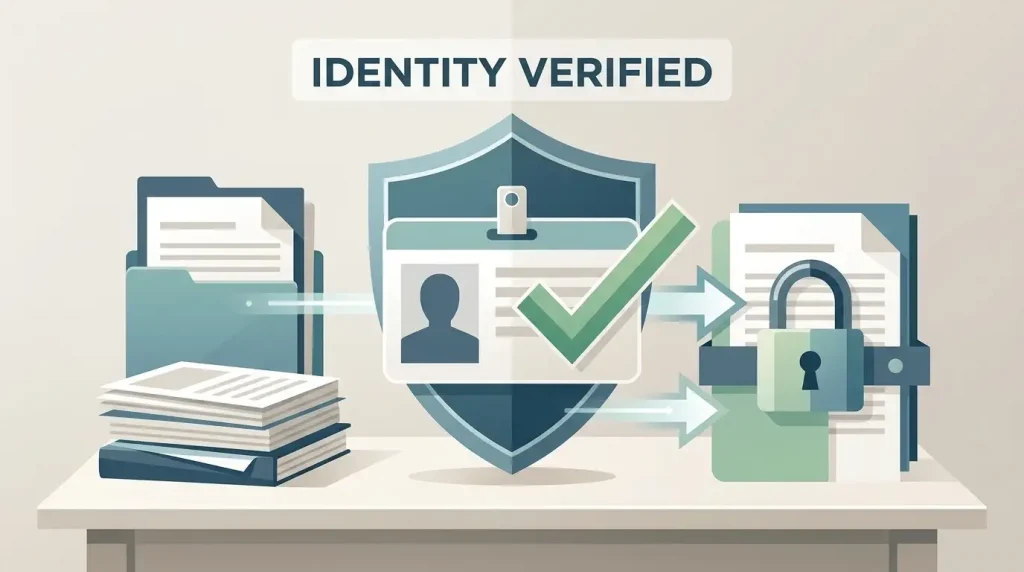
Updated 29 September 2026
Identity verification can affect Winstler account and payment handling, particularly around withdrawals. The exact document list, trigger sequence and processing time are not established in current official Winstler material. For Great Britain, the UK Gambling Commission requires its licensed online operators to verify age and identity before gambling, but that rule is a benchmark for the regulated GB market, not proof that Winstler follows UKGC procedures. Confirm each request inside the current account and keep a private record of what was requested and submitted.
Table of Contents
- Winstler KYC and withdrawals
- The UKGC standard is a GB benchmark, not a Winstler rule
- When verification matters in practice
- Identity checks are not the same as every other account request
- Handling KYC requests safely
- Why KYC and withdrawals should be tracked together
- Avoid three common assumptions
- If verification stalls, build a clear timeline
- Before sending sensitive information
- What to retain after a verification submission
- Account-specific requests versus general policies
- Bottom line on Winstler KYC
Winstler KYC and withdrawals
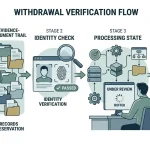
Identity checks can appear around Winstler withdrawals, so account verification may need to be completed before a payout can finish.
Exact document types, upload steps, deadlines and review times should be taken from the current account request or current operator terms. Affiliate checklists can become outdated and should not be treated as fixed Winstler requirements.
| Item | Current status |
|---|---|
| Identity verification exists around account/payment controls | Can apply around withdrawals. |
| Verification can affect withdrawals | Verification can affect withdrawals, but no fixed trigger is established. |
| Exact document list | No fixed current value is established in official Winstler material. |
| Exact processing time | No fixed current value is established in official Winstler material. |
| Exact Winstler policy equivalent to UKGC rules | UKGC rules apply to UKGC-licensed operators and should not be treated as Winstler policy. |
The UKGC standard is a GB benchmark, not a Winstler rule
The official UK Gambling Commission guidance says online gambling businesses it regulates must verify a customer’s age and identity before that person gambles. The same guidance says the Commission does not prescribe one universal document list and cannot provide one universal verification timescale.
That benchmark helps a UK reader understand how verification works inside the licensed Great Britain market. It must not be copied onto Winstler as if Winstler held a UKGC licence. The Winstler licence page explains the actual licence information and keeps the jurisdiction distinction explicit.
When verification matters in practice
Without claiming a Winstler-specific trigger schedule, three account moments deserve attention.
- Account review
- If the current account asks for identity information, confirm the request appears inside the regulator-backed current domain before submitting anything.
- Payment review
- If a payment or account detail needs checking, keep the request wording and any confirmation that the requested information was received.
- Withdrawal review
- If verification is outstanding when a payout is requested, treat the identity-check stage and the withdrawal stage as separate parts of the same account timeline.
Identity checks and payout timing are separate account states. The Winstler withdrawals information covers the payout sequence, while KYC status should be recorded independently.
Identity checks are not the same as every other account request
Online gambling accounts can involve different kinds of requests. An identity check concerns who controls the account. A payment-related check concerns ownership or legitimacy of a payment route. A source-of-funds or financial-information request concerns a different issue. Do not assume that every Winstler account receives every type of request.
The distinction matters because a generic label such as “KYC” can hide the actual purpose of a request. Before sending information, read what the current account says it needs and why. If the wording is unclear, ask support to identify the purpose and required submission route before uploading sensitive material.
Handling KYC requests safely
- Confirm the current domain. Start from the regulator-backed domain identity described in the account setup guide.
- Confirm the request is account-linked. Prefer a request visible inside the current account or a communication that can be clearly tied to it.
- Understand the purpose. Know whether the request concerns identity, payment ownership, account security or another review.
- Use the specified secure channel. Do not send sensitive identity material to an unofficial address or mirror.
- Keep confirmation. Record when the material was submitted and preserve the acknowledgement or status update.
- Minimise public exposure. Never post identity documents, full payment credentials or private account records in a public complaint thread.
These steps are practical safeguards for handling sensitive requests. The exact Winstler document list should come from the current account request or operator terms.
Why KYC and withdrawals should be tracked together
A withdrawal problem can look like a payment delay when the unresolved step is actually account verification. Keep both states visible in your records. If the account says verification is pending, record that status separately from the withdrawal request date. If verification is marked complete, preserve that confirmation before continuing a payout enquiry.
Keeping those statuses separate creates a clearer record. It helps distinguish an identity-review dependency, a payment-processing step, a bonus or terms issue, or a final account decision. It also reduces reliance on a third-party payout clock while an account review is still open.
Avoid three common assumptions
Do not assume an affiliate document list is the current Winstler list. Several third-party pages list detailed KYC requirements, but exact document requirements should come from current official Winstler instructions.
Do not assume a GB regulatory rule is Winstler policy. UKGC verification requirements apply to UKGC-regulated operators. They are useful context for UK readers, not a substitute for Winstler’s own current terms.
Do not assume a verification request proves UK eligibility. Account verification and country eligibility are separate questions. The current UK acceptance information for Winstler remains unresolved, so a request for documents does not settle the availability question.
If verification stalls, build a clear timeline
Record the date the request appeared, the purpose stated by the account, the date you submitted information, the channel used and any confirmation received. If support gives a new instruction, add it to the same timeline instead of opening multiple disconnected conversations.
If a withdrawal is also pending, record its status separately. The goal is to preserve the sequence without exposing sensitive information or guessing at a deadline that current official Winstler terms do not provide. A clear timeline is more useful than repeating a third-party promise about how many hours verification should take.
An identity request and a payment-ownership request answer different account questions. Identity checks concern who controls the account, while a payment check can concern whether the funding route belongs to the account holder. A source-of-funds or financial-information request is another category again. The available Winstler information does not establish that every account receives every type of request, so the wording shown in the account should determine what is being requested in that case.
For a pending withdrawal, keep the KYC status and the payment status separate. A withdrawal can remain pending while identity information is being reviewed, but that does not establish a universal Winstler processing time. Record the request date, the withdrawal reference if one is shown, the account status and any completion notice. That sequence helps distinguish an open identity step from a payout decision without guessing at a deadline.
Before sending sensitive information
Pause long enough to confirm four points: the domain matches the current regulator-associated domain, the request is tied to your account, the purpose is explained, and the submission method is the one shown by the current account or official support route. If any point is unclear, resolve it before transmitting identity material.
That approach is particularly important when older domains and conflicting UK availability information remain visible online. A sound KYC decision depends on the destination identity and a clear account-linked request, not on how professional a page looks.
What to retain after a verification submission
Keep a private note of the request date, the stated purpose, the submission channel and the confirmation shown after upload. If the account gives a case or ticket reference, keep that reference with the timeline. You do not need to duplicate sensitive document images across multiple devices or public services merely to prove that you submitted them.
If support later asks for another item, add the new request to the same timeline and note whether it is an identity request, a payment-ownership check or a different account review. This makes it easier to see what changed and avoids treating every additional request as the same KYC step.
Account-specific requests versus general policies
An account message shows what your account displayed at that moment. It does not prove that every Winstler account receives the same request or that the same requirement will apply permanently. Likewise, a generic affiliate KYC article does not establish what your current account requires.
For your own records, keep the current domain, the account-linked request and any current terms or support explanation together. That is more useful than a recycled checklist because it is tied to the actual account event you are trying to understand.
For the full brand and availability context, return to the Winstler review.
Winstler Payment Methods for UK Readers

Winstler Casino Licence, UKGC Status and Trust Signals
Licence information dated 29 September 2026 The current Anjouan Gaming public register lists winstlercasino.io under...

Winstler Casino Bonus and Promotions for UK Readers
Updated 29 September 2026 Winstler has deposit-based welcome promotions, but the exact current UK headline...
Winstler Registration and Account Setup for UK Readers
Updated 29 September 2026 Winstler account setup should start with domain identity and eligibility checks,...

Winstler Casino Games and Software Providers
Updated 29 September 2026 Winstler's game catalogue sits in the 4,000+ range and spans slots,...
Winstler Casino UK: Availability and Regulatory Context
Updated 29 September 2026 For readers in England, Scotland and Wales, the key regulatory fact...
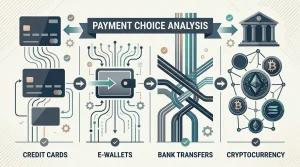
Winstler Payment Methods for UK Readers
Updated 29 September 2026 Winstler's payment options include cards, e-wallets, bank transfer and cryptocurrencies. Named...

Winstler Casino Mobile Experience and App Status
Updated 29 September 2026 Winstler can be used through a mobile browser on iOS and...